


School Tour | Dolmabahçe Palace
Tour Program
School Trip | DOLMABAHÇE PALACE
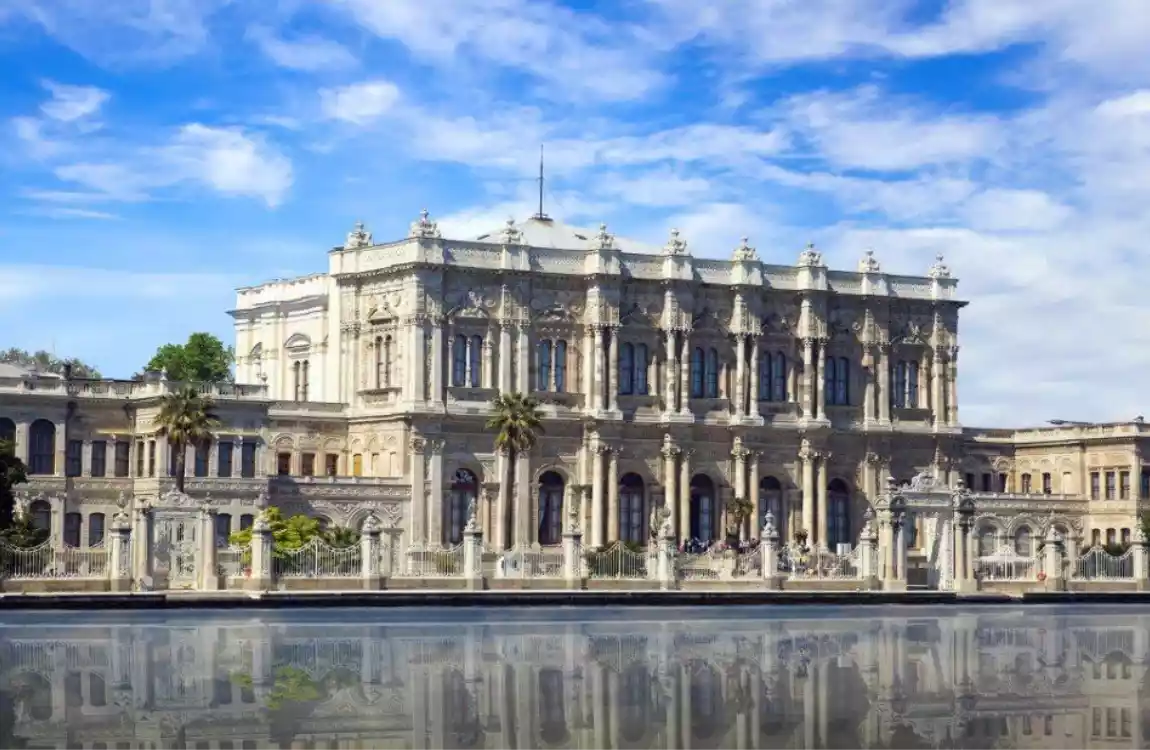
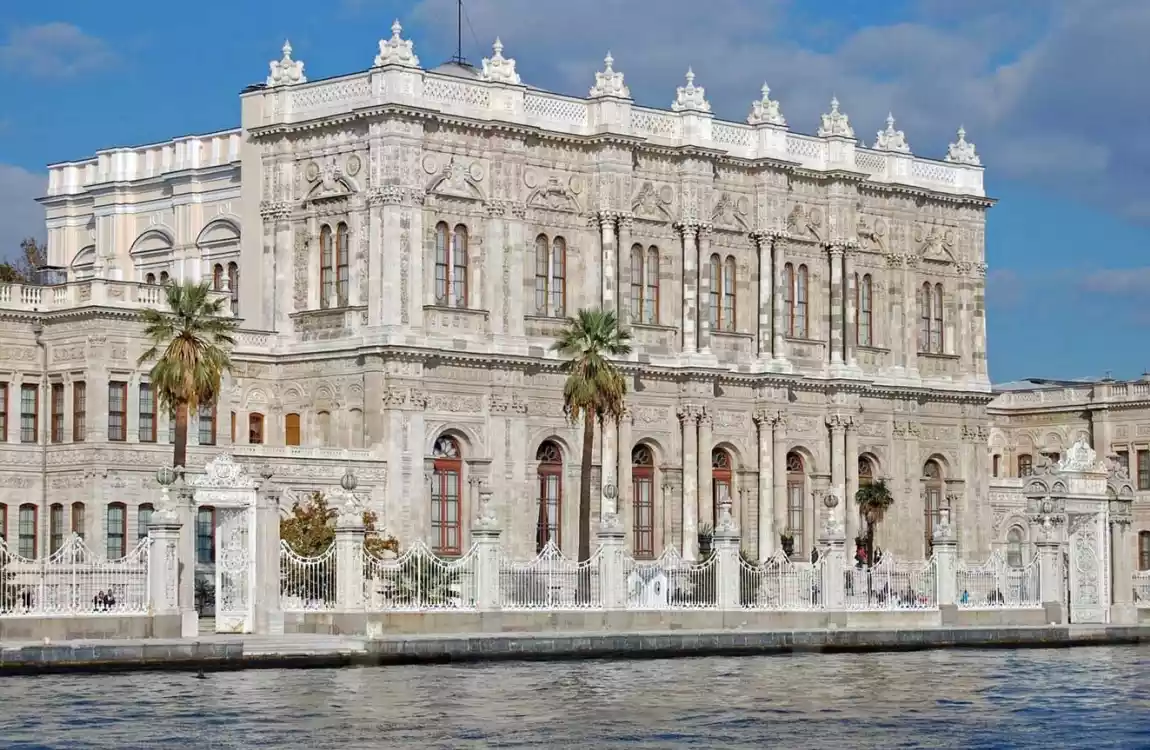
The Beşiktaş coastal area where Dolmabahçe Palace is located was, in the past, one of the coves of the Bosphorus and a place where maritime activities took place. This cove, which has served as a natural harbor where ships sheltered since ancient times, also attracted the attention of rulers during the Byzantine Period, and royal palaces were built in this area.
In the Ottoman Period, the coastal area functioned as a harbor where naval ships anchored and maritime ceremonies were held; with its filling in during the 16th century, it took the name “dolmabağçe.” Although Topkapı Palace was the official residence, the “dolmabağçe” area gradually became one of the preferred places to visit and began to be used as the private garden of the sultan and the dynasty. Until the 19th century, the group of mansions and pavilions built on this private garden was called the “Beşiktaş Coastal Palace.” In the 19th century, the influence of the era’s winds of renewal and modernization spread to the palaces as much as it did to Ottoman culture and administration. The most magnificent work produced by this wave of renewal is Dolmabahçe Palace, which today also holds the title of being Istanbul’s third-largest palace structure.
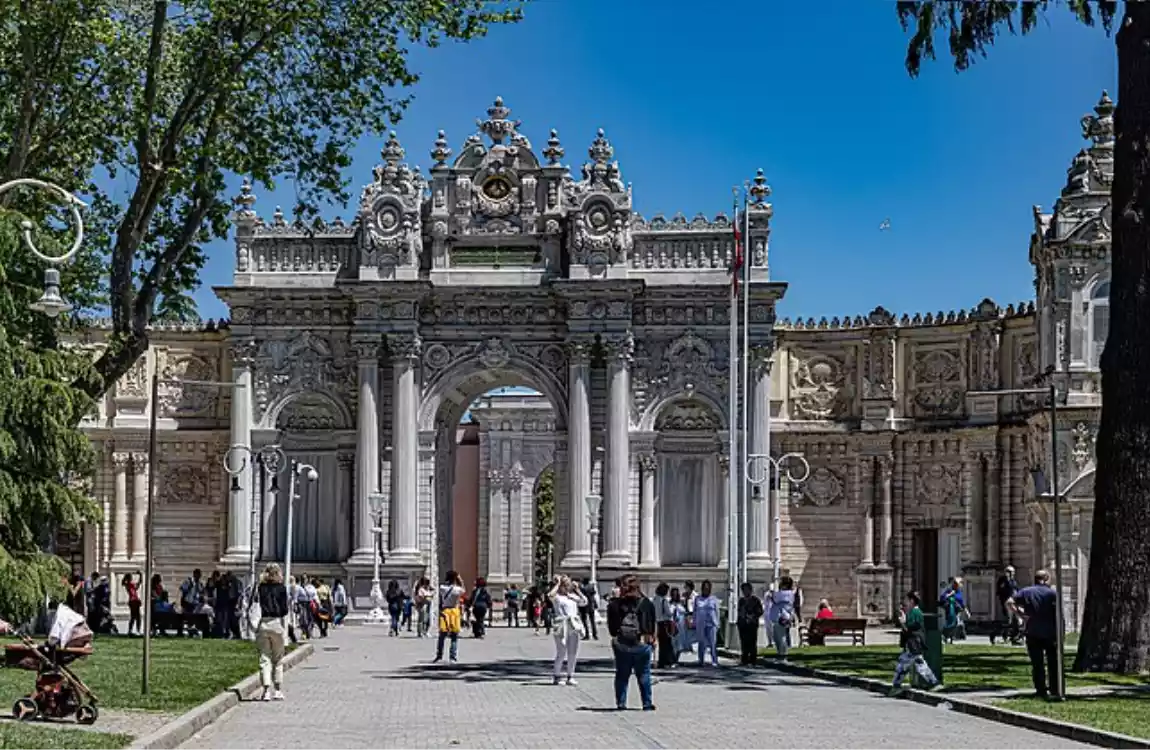
The reign of Sultan Abdülmecid (1839-1861) was a period in which the Beşiktaş Coastal Palace structures were felt to be lacking in terms of functionality. These structures were demolished, and it was decided to build Dolmabahçe Palace in their place. Construction of Dolmabahçe Palace began on June 13, 1843, and it was opened for use on June 7, 1856. It stands on an area of 110,000 square meters, overlooking the Bosphorus with a magnificent view.
TOUR PROGRAM
10.00 Departure from School
11.00 Arrival at Dolmabahçe Palace
14.00 Departure from Dolmabahçe Palace for School
15.00 Arrival at School